Simple Human Health Has Become an Extraordinarily Valuable Thing to Sell Back to Humans
Procter & Gamble has agreed to acquire supplement company Thorne for US$3.8 billion.
It’s a remarkable price for a company that was acquired for around US$680 million less than three years ago, and it tells us something about where the health industry is heading. Consumer interest in wellness, prevention and personalised health is booming, and some of the biggest companies in the world want a piece of it.
This isn't an attack on Thorne. The company has built a strong reputation around science, quality and manufacturing standards, and supplements can absolutely have a valuable place in our health.
But a US$3.8 billion acquisition should make us stop and consider what it represents.
Simple human health has become an extraordinarily valuable thing to sell back to humans.
When did being healthy become so complicated?
Modern wellness has an extraordinary ability to make us feel as though there is always something missing: another deficiency to correct, metric to improve, supplement to add, device to wear or protocol to follow.
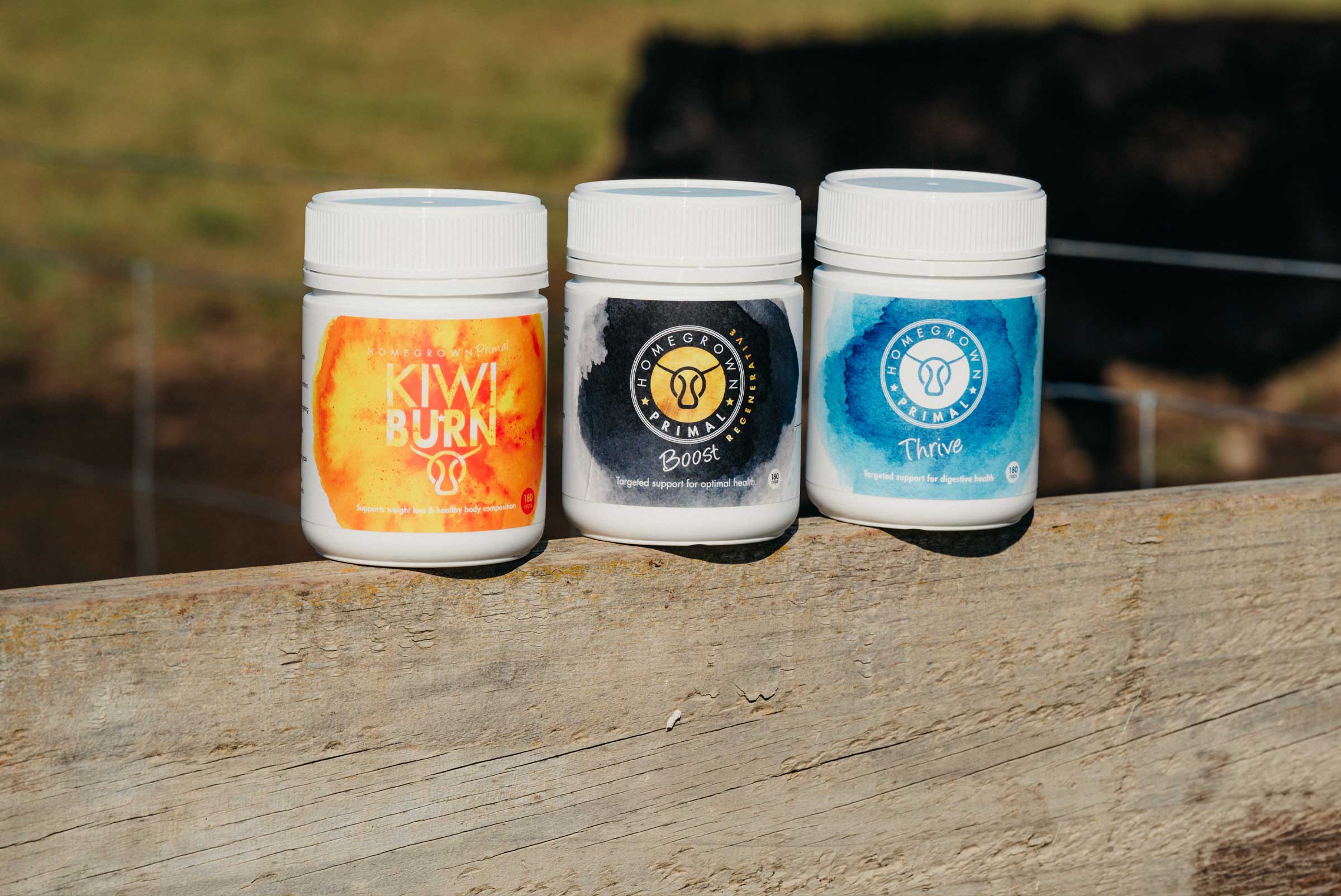
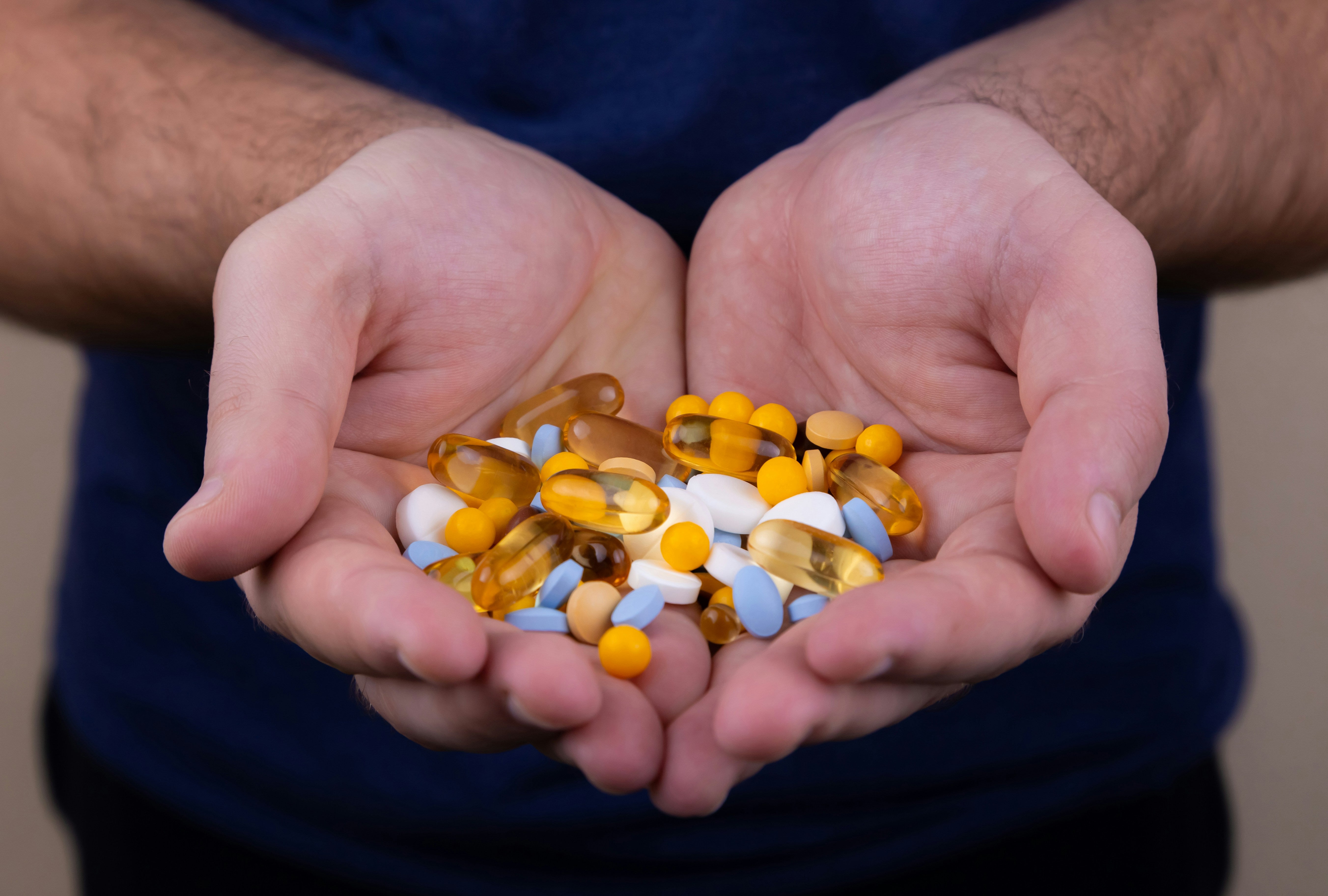
A morning routine can now involve greens powder, electrolytes, collagen, creatine, probiotics and vitamins before we've even left the kitchen. At night, there is magnesium for sleep and a wearable waiting to tell us in the morning how successfully we rested.
Some of these things are useful and supported by good evidence. The problem isn't that they exist; it is when we begin to mistake them for the foundations of health rather than additions to them.
Somewhere along the way, supplementation stopped meaning to supplement — to add something where it is genuinely needed — and started becoming a lifestyle in itself.
Your body is older than the wellness industry
Long before there were supplement companies, sleep scores, continuous glucose monitors or personalised wellness algorithms, the human body had developed extraordinarily sophisticated systems for keeping us alive and well.
Our biology was shaped in an environment where humans moved frequently, experienced natural light and darkness, ate food that largely resembled the plants and animals it came from, used their muscles and lived closely with other people.
Our bodies still expect many of those signals.
The problem is that modern life has changed our environment far faster than our biology has changed to meet it. We can spend almost an entire day sitting indoors, under artificial light, eating highly processed food, experiencing little physical challenge and remaining mentally stimulated until the moment we try to sleep.
Then, when the body doesn't feel particularly good, we increasingly look for something to buy to correct it.
Perhaps we're asking the wrong question.
Instead of continually asking what we can add to compensate for modern life, we could first ask which fundamental human inputs we've removed from it.
Your body is older than the wellness industry, and the foundations it requires haven't suddenly become obsolete.
There is big business in making health feel difficult
The P&G acquisition is interesting because it demonstrates just how valuable our desire to feel well has become.
Businesses need products to sell and reasons for customers to return. That's not sinister; it's commerce. But it creates an interesting tension when the thing being sold is health, because sometimes the healthiest message for a customer is that they don't need to buy anything else.
There isn't much recurring revenue in telling someone to eat real food, walk outside, lift something heavy, get some sunlight and go to bed earlier.
There is considerably more opportunity in convincing that same person that wellbeing requires continual optimisation.
This is where we think a little healthy scepticism is worthwhile. Health can slowly move from something we practise to something we consume, and we can end up pursuing increasingly sophisticated solutions while neglecting remarkably ordinary behaviours.
We aren't anti-supplement. We're anti-unnecessary complexity.
A supplement should have to earn its place.
If there is a deficiency, an increased nutritional requirement, a particular health goal or another clear reason to supplement, the right product can be incredibly useful.
But taking something because you have a reason to take it is very different from taking it because you've absorbed the idea that healthy people should.
No supplement can manufacture the adaptations that come from using your muscles. A bone broth powder doesn't make a poor diet irrelevant, and a sleep supplement cannot completely compensate for consistently giving yourself five hours in bed.
Modern tools can support the foundations. They shouldn't replace them.
Perhaps health needs fewer additions
For years, wellness has encouraged us to ask, what else can I add?
Perhaps a better question is, what can I remove?
Less ultra-processed food and more real food. Less sitting and more movement. Less artificial light at night and more daylight during the day. Less constant stimulation and more time outside. Less anxiety about achieving perfect health and more confidence in doing the basics consistently well.
Then look at what's actually missing.
If there's a genuine gap, fill it.
That's what supplementation was supposed to mean.
The P&G acquisition of Thorne doesn't make Thorne a bad company, and it certainly doesn't make supplements bad. What it does is remind us just how enormous the business of wellness has become.
There will be more products, more personalisation, more testing and more sophisticated ways of measuring ourselves. Some of them will be genuinely useful.
But while the wellness industry becomes more complicated, our starting point can remain remarkably simple: eat nutrient-dense food, get enough protein, build muscle, move your body, get outside, sleep well and spend time with people who matter.
Use modern tools intelligently when they genuinely add something.
Just don't let them convince you that being human requires a subscription.
Simple human health has become an extraordinarily valuable thing to sell back to humans. Perhaps it's time we remembered how much of it we already own.