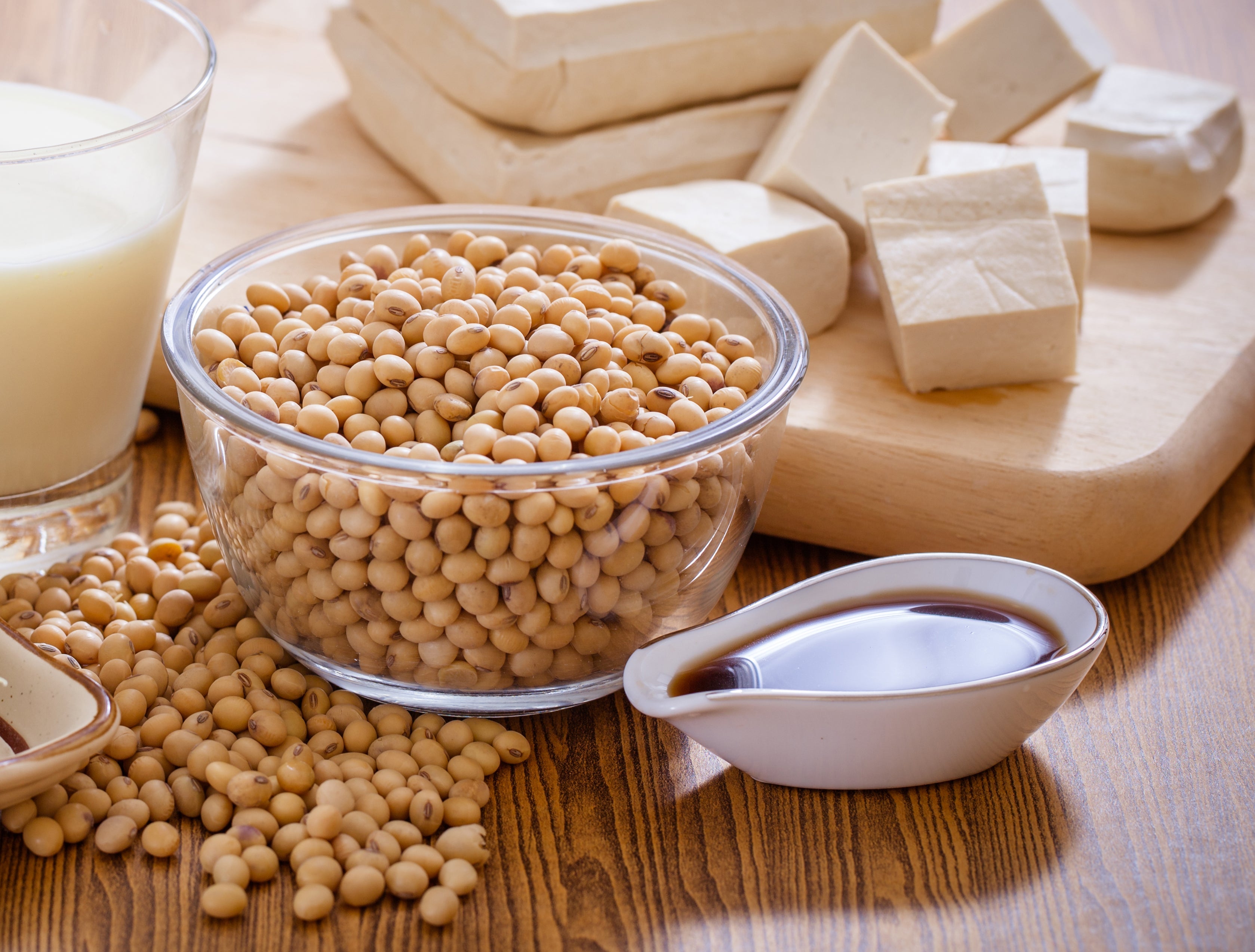
Consuming soy products is a modern phenomena. Traditionally soy has not been seen as a food, but due to chemical processing humans have created ‘food’ products from soy. Like TVP textured vegetable protein, tofu, soy milk, and soy protein powders.
These have been touted as health foods but they are far from the truth. The benefits of soy have been pushed into the population by corporations and the health food industry.
Phytic Acid in Soy: How It Blocks Essential Minerals
Soy is a bean, high in phytic acid which stops the body assimilating essential minerals.
Calcium, magnesium, copper, iron, and zinc. Phytic acid in soy is not neutralized by soaking, sprouting or slow cooking.
Phytoestrogens in Soy: Hormone Disruption and Thyroid Concerns
High in phytoestrogens, soy is an endocrine disruptor. Causing the natural hormone release in our bodies to become dysfunctional. Cancer and infertility are two of the major problems with soy ingestion. They can also disrupt the activity of the thyroid. Phytoestrogens are goitrogens.
Soy foods increase the body's requirement for Vit D and Vit B12.
Aluminum in Soy and Nervous System Toxicity
Soy foods are high in aluminum, which is toxic to the nervous system and the kidneys.
Soy Consumption and Estrogen-Related Health Risks
Scientists Daniel Sheehan and Daniel Doerge studied the results of the consumption of soy and have reported that the extra estrogen consumed has created an increased incidence of epithelial hyperplasia, a precursor to malignancies in women.
Soy is also known to alter the menstrual cycle of some women, and reduce the testosterone in men.
How Soy Is Processed: From Raw Bean to Protein Powder
The whole process of getting soy into an ‘edible’ form from the soaking of the raw beans, to the curd being spray dried at high temperatures to create the incomplete protein powder is unnatural. It is also the most genetically modified crop we have on this planet.
Common Soy Products Still Marketed as Healthy
It still amazes me that this poison is still being sold in many forms:
- Soy protein powder
- Soy Milk
- Tofu
It feels like we have been coerced into believing that this is a food let alone a healthy food. The Big Food industry is not concerned with our health and wellbeing, only by convincing the population a toxic product that is perfectly ok for us to consume and ‘better’ for us than perhaps real dairy products, it can line its pockets with the evil spoil that is the money that is being made with this product.
Are Fermented Soy Products Safer? Miso and Tempeh Explained
The only ‘safe’ soy products are the fermented ones, made with non GMO soy, miso and tempeh. The fermentation largely neutralizes the phytic acid but the goitrogens or thyroid inhibitors remain intact. So care should be taken with these products not to consume regularly.
Why Do People Choose Soy Over Real Milk and Meat?
I encourage you to ask the reasons why your friends prefer soy lattes, and tofu to real milk and meat.
For many women, years of low-fat diets, light foods and calorie restriction have not led to better energy or lasting satiety. This article explores whether quality meat, protein and nose-to-tail animal foods can help rebuild nourishment in a world dominated by processed convenience foods.
I have a question for you.
When you’re standing in the supermarket or pharmacy aisle, do you automatically grab the same supplement brand you’ve always bought?
Centrum? Blackmores? Whatever’s on special? Whatever your parents used to have in the cupboard?
No judgement. Most of us do it.
But I have another question.
Do you read the label?
Personally, I find supplement labels difficult to read. The writing is tiny, the ingredient lists are confusing, and most of us are too busy to stand there analysing every ingredient anyway. So we grab what’s familiar and move on.
But here’s the thing I’ve learned on my own health journey: when it comes to supplements, what’s inside matters.
A lot.
The Supplement Aisle Is Loud for a Reason
Modern wellness has become very loud and everyone is offering more.
More energy. More glow. More immunity. More performance. More everything.
The bottles are stylised. The claims are bold. The promises are polished. But underneath all the clever packaging and marketing, many supplements are built around the same idea: isolated nutrients, often synthetic, compressed into something convenient.
That doesn’t automatically make them evil. But it does mean they are worth understanding.
Because a supplement is not just a supplement.
Some are made from whole foods. Some are built from isolated compounds. Some are bulked out with fillers, flavours, sweeteners, colours, binders, anti-caking agents, and ingredients you would never knowingly add to your breakfast.
And yet, because they're in the “health” aisle, we assume these little bottles of pills must be doing us good.
That assumption is worth challenging.
I Know The Label Is Boring. Read It Anyway.
I say this as someone who does not enjoy reading supplement labels.
They are rarely designed for humans in a hurry. The text is tiny. The names are confusing. And the ingredient list often feels less like food and more like a password you forgot to save.
But the label is where the truth lives.
The front of the bottle sells you the dream. The back tells you the deal.
That’s where you find out whether the product is built from real food sources, or whether it relies on synthetic forms of vitamins and minerals. It’s where you see what else has been added to make it taste better, flow better, last longer, look brighter, or feel more “marketable.”
And once you start looking, you can’t really unsee it.
You start to think less about, “What does this product promise to do for me?” and more about, “What am I actually putting into my body every day?”
And that is a far more important question.
Whole-Food Supplements Are Different
This is where whole-food supplements deserve a proper conversation.
A whole-food supplement starts with food. Real, nutrient-dense food. It's not trying to recreate nature by isolating one nutrient and placing it in a capsule.
And real food is what I love. It's what our bodies love too.
In my world real food supplementation means grass-fed bovine organs, carefully freeze-dried to retain their natural nutritional profile.
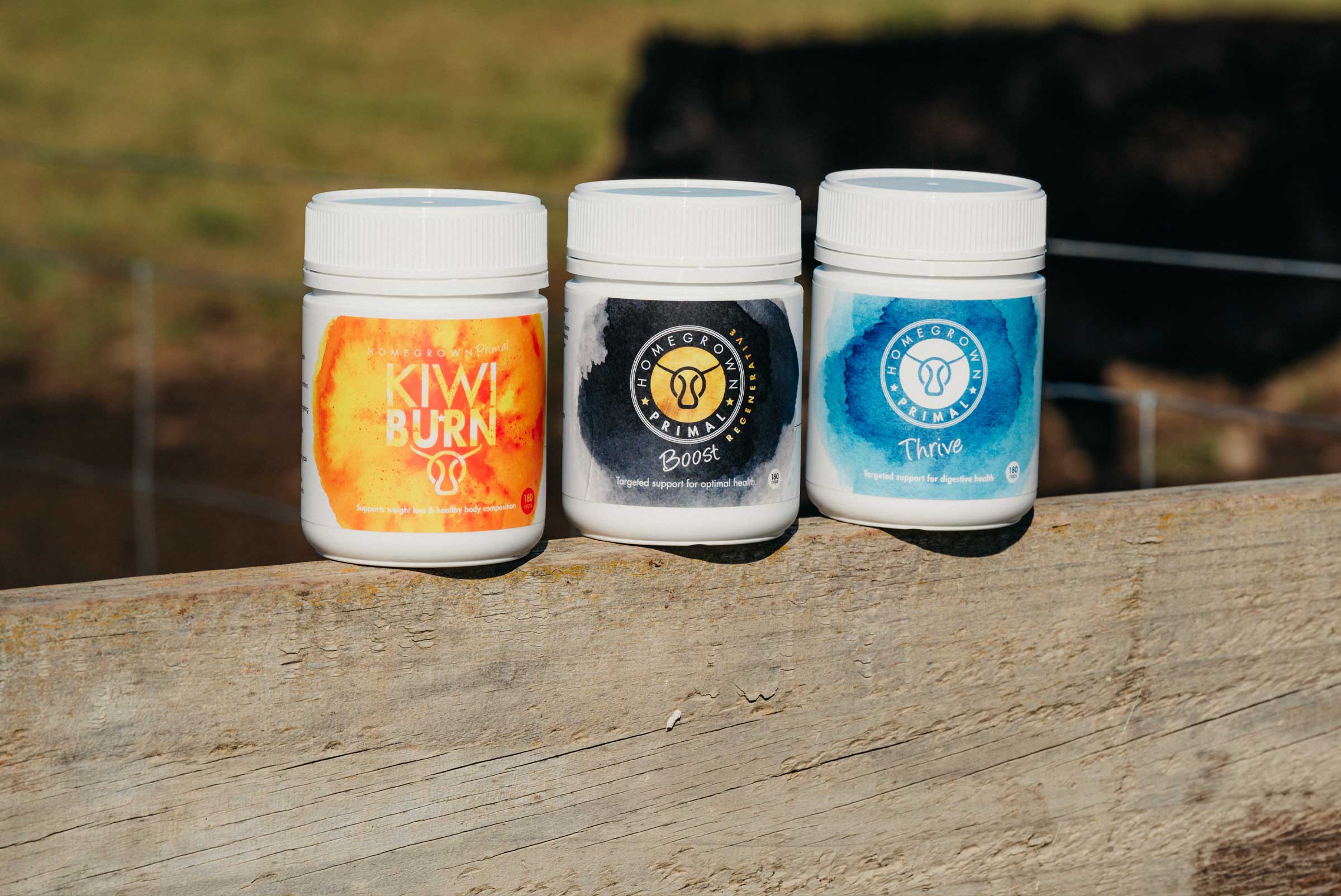
When I take Boost, our liver product, I know I’m getting nutrients that occur naturally in liver, in a balance nature already designed. I’m not looking at a long list of synthetic additions or wondering why my “health supplement” needs artificial ingredients.
Whole food supplements are simple. Almost suspiciously simple, by modern standards.
And that's exactly the point.
We have become so used to complicated wellness that real food can appear too obvious. But our bodies were built on food, not trends or gimmicks. Long before supplement shelves existed, humans relied on nutrient-dense animal foods, sunlight, movement, sleep, and community for health.
It's not very flashy. But it's incredibly effective.
Your Body Knows Food
One of the biggest differences between whole-food nutrition and synthetic supplementation is context.
In food, nutrients do not usually arrive alone. They come with co-factors, enzymes, fats, minerals, and other naturally occurring compounds that exist together. Your body recognises food because it has spent thousands of years evolving to do exactly that.
Synthetic supplements often isolate a nutrient and deliver it without the same food matrix.
Again, that doesn’t mean every synthetic supplement is useless or poisonous. There are times when targeted supplementation has its place. But for everyday foundational nutrition, I personally want to start with food.
Real food.
The kind my body understands without needing a user manual.
That shift in mindset changes the way you think about health in general. Instead of asking, “What pill can fix this?” You begin asking, “What am I missing from my diet?”
Often, the answer is not more novelty.
It's better nourishment.
The Problem With “Health-Washed” Convenience
We live in a strange time.
You can buy a protein bar with 47 ingredients and call it healthy. You can drink something neon and call it energy. You can eat ultra-processed “clown food” with added vitamins and feel like you’ve made a responsible dietary decision.
But adding a few vitamins to something that is otherwise terrible for you does not magically make it nourishing. It just makes the marketing department busier.
This is why knowing what you’re buying matters.
Health isn't built by outsourcing your judgement to the loudest label. It's built by learning the difference between food and formulation. Between nourishment and novelty. Between something your body recognises and something that looks good on a shelf.
That knowledge is powerful.
Not in a, throw-everything-out-and-live-in-a-cave way.
In a calm, practical, “I know how to choose better now” way.
What Changed for Me
Since I've added more nutrient-dense foods into my life, especially quality meat and organs, I genuinely feel healthier than I ever have before.
People often guess I’m younger than I am. They think I'm in my 50s, and out of curiosity, I uploaded my recent blood work into ChatGPT. It estimated my biological age as early 50s too, which made me smile, because it lines up with how I feel.
If you want to start feeling truly alive again, start with real food.
What I Look For Now
These days, I keep it simple.
I look for ingredients I recognise. I look for food first. I look for transparency around sourcing. I look for products that don’t need a long list of additives to justify themselves.
And I ask myself one very plain question:
Would this make sense as food?
If the answer is no, I pause.
That doesn’t mean never taking anything synthetic. It doesn’t mean turning every shopping trip into a moral exam. It simply means paying attention.
It's so important to remember that the small things you take every day truly matter. Your morning capsule. Your protein powder. Your “just in case” multivitamin. These things become part of your routine, and your routine becomes part of your health.
So they deserve a little more thought than habit alone.
Supplement Q&A: What Should You Actually Look For?
Are synthetic supplements bad?
Not always. There can be a place for targeted supplementation, especially when someone has a specific deficiency or health need.
But for everyday foundational nutrition, I prefer to start with real food. Whole-food supplements offer nutrients in the form they naturally occur, rather than isolated compounds created to mimic them.
What does “whole-food supplement” actually mean?
It means the supplement starts with food.
In our case, that means nutrient-dense bovine organs sourced from grass-fed New Zealand cattle, then freeze-dried and put into capsules. Nothing added. Nothing taken away.
It's not about reinventing nutrition. It is about preserving and presenting it in a more manageable daily format.
Why are organ supplements different from a multivitamin?
A standard multivitamin is usually a collection of isolated vitamins and minerals. Many of which are derived from synthetic sources.
Organ supplements are whole-food nutrition. Liver, for example, naturally contains a broad range of vitamins, minerals, amino acids, and other nutrients in their original food matrix.
Your body recognises and can use food more readily when it is as close as possible to it's natural form.
What should I check on a supplement label?
Start with the ingredient list.
Look for recognisable ingredients, clear sourcing, and whether the product contains fillers, artificial colours, sweeteners, flavours, or synthetic additives.
The front of the bottle offers you a promise. The back tells you the truth.
Do I need to understand every ingredient?
No. Thank goodness.
But you should be able to get a clear sense of what you’re taking and why it’s there. If a label feels confusing or there are ingredients you do not recognise or understand, it's worth questioning.
Good nutrition should not need a disguise.
What’s the simplest rule for buying better supplements?
Choose the products that are as close as possible to real food.
Look for natural ingredients. Clear sourcing. Minimal processing. No unnecessary additives.
Your body has spent thousands of years recognising nourishment. It does not need health to be complicated. It needs it to be real.
Modern diets can feel exhausting. This blog explores why simplifying your food, choosing real, animal-based nutrition, and reducing daily food decisions can help your body feel better again.
When Food Gets Loud
I was feeling stressed last week, and I noticed a real pull towards comfort food.
I wanted something easy and soothing. Something to take the edge off.
I clocked it straight away because, most of the time, I don’t think about food much. My meals are structured. My nutrition supports my body, my recovery and my goals.
But last week reminded me that when your system is working properly, food is quiet, and when it’s not, food gets loud.
We’ve Been Sold the Wrong Idea of Discipline
Somewhere along the way “being healthy” got tied to constant effort.
Planning. Tracking. Resisting. Thinking about food all day.
As if the people doing it best are the ones putting in the most mental energy.
But that’s not what real consistency looks like.
When things are actually dialled in, food takes up less space in your head, not more. Because real consistency doesn’t come from thinking harder. It comes from needing to think less.
Habits Are the Real Foundation of Good Nutrition
Most people are trying to eat better by making better decisions. But decisions are fragile. They depend on energy, mood, stress levels and how your day is going.
And when life gets busy, those decisions tend to slip. Not because you don’t care, but because you’re relying on willpower, and that can be unreliable.
Habits are different.
They don’t ask how you feel.
They don’t negotiate.
They don't require a motivational speech.
They just run.
That’s why someone with strong habits can:
Eat balanced meals without overthinking
Naturally prioritise protein and whole foods
Stay consistent even when life isn’t perfect
It’s not willpower.
It’s repetition turned automatic.
There's more information on habits around eating here: Habits & Behaviour Change
When You Eat For Performance, Things Simplify
For me now, eating isn’t about reacting, it’s about supporting my health, training, recovery, and my day.
That shift changes everything.
Because instead of asking:
“What do I feel like eating?”
I've started asking:
“What does my body need to perform, recover, and stay strong?”
And the answers become a lot clearer:
Protein to build and repair
Whole food organs for nutrients
Fats to support hormones and provide energy
Simple meals that don't require a nutrition plan
It’s not restrictive.
It's freeing.
The Goal Is Predictable, Not Perfect
You don’t need endless variety.
You don’t need a new plan every Monday.
Having a simple go-to list at the supermarket - meat, eggs, butter - makes eating well much easier.
Because predictability:
Reduces decision fatigue
Stabilises hunger
Makes cooking easier
Makes shopping simple
Builds trust with your body
When your body knows what’s coming, it stops asking for constant input.
And when you genuinely look forward to steak, eggs, fish, or whatever your version of simple looks like, eating well stops feeling like a job.
It becomes easy.
When Things Are Aligned, Food Gets Quiet
This is the place most people are actually chasing.
Not perfection. Not control.
Quiet.
Where:
Hunger feels stable
Cravings don’t run the show
Energy is consistent
Food isn’t taking up space in your head all day
You still enjoy eating.
You still have meals you love.
But food's no longer something you’re constantly managing.
If you'd like to learn more about self-regulation and eating habits, this is a useful link: Self-Regulation and Eating Habits
So If You Find You're Thinking About Food All Day…
It may not be because you need more discipline.
It may not be because you care too much.
And it definitely doesn't mean you've failed.
It might simply mean your system is asking too much of you.
Too many decisions.Too much stress.Too little structure.Not enough rhythm.
So let's start by building better habits, focusing on:
Simple meals
Real food
Enough protein
A short supermarket list
Meals you can repeat without thinking
Because the goal isn’t obsession.
It’s freedom.
And that freedom comes when eating well supports your health, your performance, and your life - then gets out of the way.