Blog

Train Like a Carnivore - the metabolic edge of animal fats
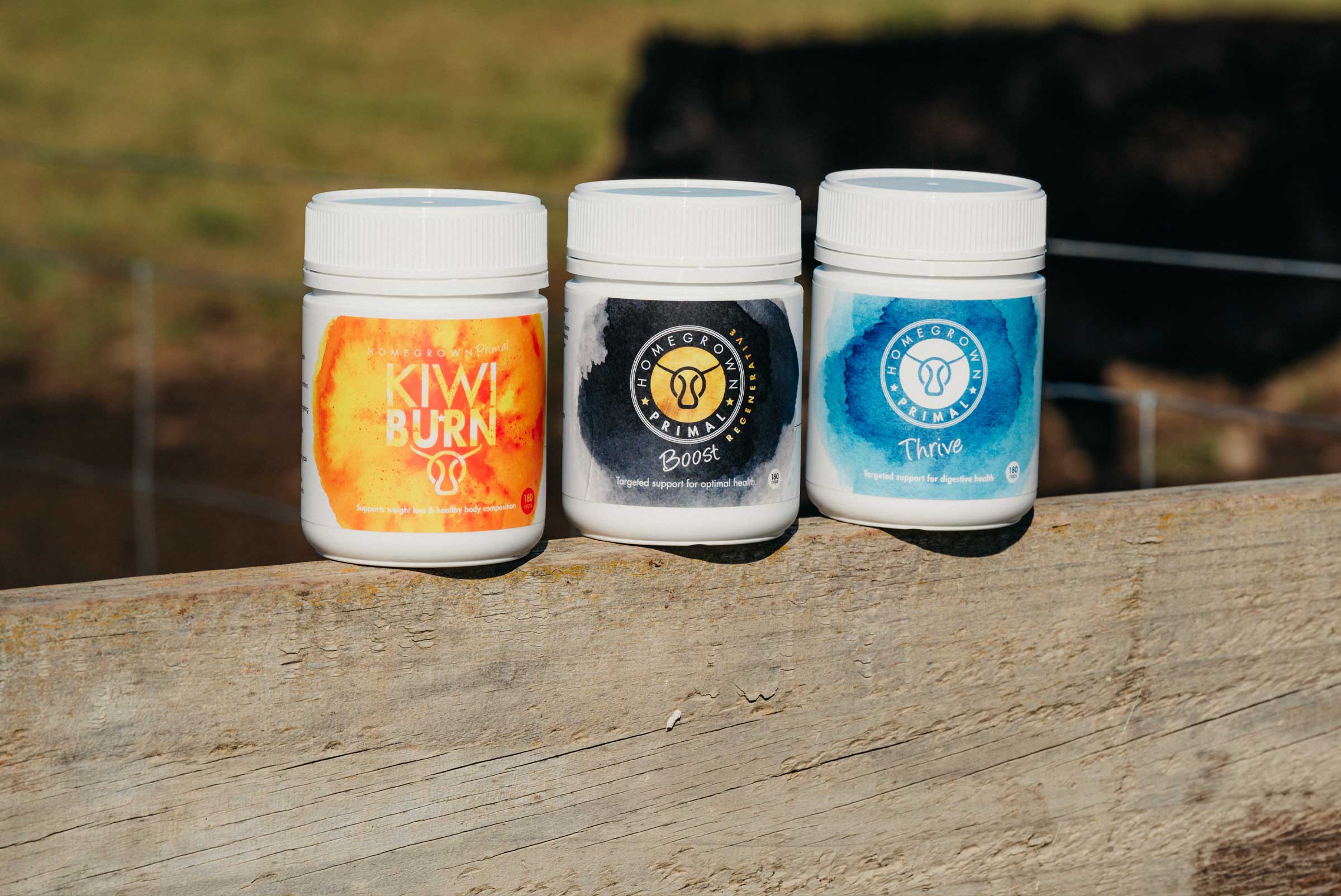
For decades, we've been told that fitness runs on carbs, powders, and seed oils. But nature says otherwise. Real cellular, muscular, and mental strength are built on animal fats.When you train like a carnivore, you're not just working out your body; you're restoring the energy systems your ancestors thrived on. At Homegrown Primal, we believe fitness begins with your metabolism, not your macros. And to fuel that fire, there's nothing cleaner or more powerful than the fats nature designed for humans: beef liver, organ blends, tallow, bone marrow, and brain are all full of species-appropriate nutrients. What Makes Saturated Fat The Ultimate Fitness Fuel? Modern diets have demonised saturated fat, but science says otherwise.In 2018, researchers published a Nature Communications study showing that stearic acid (C18:0), a major component of animal fats, literally activates your mitochondria, the powerhouses of your cells. Within hours of consumption, subjects experienced mitochondrial fusion, a process that boosts fat burning and energy production. In primal terms: Stearic acid wakes up your metabolism It helps your body burn fat cleanly and efficiently It builds endurance from the inside out Kiwiburn delivers this exact fatty acid profile, rich in stearic and palmitic acids, tested at over 40% saturated fat content. These aren't empty calories. They're structured energy, the kind your body was built to thrive on. Why Does True Training Start Inside Your Cells? Most people focus on the gym. Few train their cells. Your mitochondria decide how efficiently you produce energy, recover, and burn fat. When powered by saturated fats instead of seed oils, they perform cleaner and stronger, like running your engine on premium fuel instead of sludge. This is where Ignition and Kiwiburn come in: Ignition is rich in phospholipids, especially phosphatidylserine (PS) and phosphatidylethanolamine (PE), vital for brain and muscle cell membranes. Kiwiburn delivers stearic-rich fats and micronutrients that regulate hormones and rebuild tissues. Together, they don't just feed your muscles, they feed your entire system. Why Should You Skip Nuts, Seeds, And Powders? Nuts and seeds may look "healthy," but in nature, they're naturally defended. They are also often grown in mono-crop environments where sprays are used. They're loaded with anti-nutrients like phytic acid, compounds that can bind minerals and block absorption. For athletes, that means slower recovery and weaker performance. Animal-based fats are different. They're bioavailable, mineral-rich, and free from plant defence chemicals. That's why our philosophy is primal and simple: Skip the nuts. Eat as nature intended. Train like a carnivore. How Do Animal Fats Support Recovery And Hormones? Training hard is easy. Recovering well is the art. Essential fats like stearic acid support: Hormone production (testosterone, growth hormone) Joint health and tissue repair Inflammation control and recovery When your mitochondria burn clean animal fats, you recover faster, think sharper, and perform stronger, without the crash. So, Why Train Like A Carnivore? Because fitness isn't about chasing calories or macros, it's about aligning your fuel with your biology. Animal fats aren't the enemy; they're the original endurance fuel. So next time you hit the gym, the trail, or the barbell, remember: You're not just building muscle, you're reviving a primal metabolism. You're training like a carnivore. FAQ's To Train Like a Carnivore Is Saturated Fat Actually Good For Fitness? Yes, when it comes from natural animal-based sources like beef tallow, saturated fat enhances metabolic health. Essential fats like stearic acid activate your mitochondria, your body's engines, to increase endurance and improve fat burning. Unlike seed oils, these fats burn clean, support hormones, and provide long-lasting power. What Makes Stearic Acid Different From Other Fats? Stearic acid is unique. It's the only known fat that signals your body to fuse mitochondria, improving energy production and fat metabolism It's found abundantly in beef tallow (Kiwiburn) and beef brain (Ignition). This is energy your body recognises. Can Animal Fats Improve Recovery After Workouts? Absolutely. Healthy saturated fats support hormone balance and help repair cell membranes. Ignition provides phospholipids that enhance neural recovery and reduce inflammation. Should I Replace Carbs With Fats For Energy? You don't have to cut carbs completely. When you do exercise that requires fast anaerobic activity, carbs are the body's preferred fuel for performance. Here, fruits or honey may support your training. But you should reclaim fat as your primary fuel. When your metabolism runs on animal fats, you gain metabolic flexibility, the ability to burn both fat and glucose with ease. That means no crashes. No slumps. Just clean, primal energy. Which Foods Or Supplements Help Me Train Like A Carnivore? Start with nutrient-dense animal fats and organ-based nutrition: Eggs, meat, and organs. Raw dairy and some supplementation with our products will help you be the best carnivore athlete possible. No powders. No plants. Just ancestral strength in capsule form. When Training Like A Carnivore, We Recommend: Protein and fat for breakfast Cut refined carbs and snacking throughout the day A 10 am - 6 pm eating window Daily walks after meals Train hard. Recover harder. Eat like your ancestors. If you'd like more information about the Carnivore diet, follow the link to our Guide to the Carnivore Diet
Learn more
The Halloween horrors lurking in our food: Industrial Farming, GMOs and Toxic Sprays
Lifting the veil on Frankenfoods, toxic sprays, and the man-made monsters lurking in our food this Halloween.
Learn more
Ancestral Health Principles: Taking Control of Your Nutrition and Wellbeing
Choices are abundant, however, making good ones around food are essential for a joy filled life.
Learn more
The Power of "Like Supports Like": Ancient Wisdom Backed by Science
It’s not just about getting nutrients in their most bioavailable form (though that’s a huge benefit). It’s about delivering precise, targeted support to the organs and systems in your body that need it most. This ancient wisdom, now backed by science, is a reminder of the incredible healing potential found in nature.
Learn more
What can Mojo do for your hair: How IGF-1 Supports Stronger, Healthier Hair
Hair loss affects millions worldwide, often viewed as an inevitable and irreversible part of aging. Traditional treatments focus on extending the growth phase of hair (anagen), minimising factors that hinder growth, and boosting follicle count and hair thickness. But what if nature held a key ingredient that could supercharge this process?
Learn more
Biohacking With Natural Animal Fats: A Better Alternative to Fatty15
The Rise of Biohacking and Fatty Acid Supplements I've had an email from a customer last week who has been following a Bio Hacker in the US, Dave Asprey, who swears by a product that has extracted a specific fatty acid C15. This component is purported to have many benefits; slowing down aging, removing inflammation, and if you head to the site you will find a lot of testimonials of amazing results. This is a good thing, people finding health! However the downside is cost, and a life long commitment to purchasing this product! A Holistic Approach to Health and Wellness I firmly believe that if we had a lifelong commitment to health and wellness. That we consider our bodies ( I hesitate but I'm going to anyway) sacred, that what we put in them, what we do with them, and how we manage stress, will all contribute to living optimally. If you're like me and find living these days expensive, then watching your pennies also makes a big difference on how you manage your health. Natural Animal Fats as a Source of Essential Fatty Acids We source our Kiwiburn from the fat from the marrow bones, it has a distinct fat profile. It contains an array of necessary fats that do all that the Fatty15 product does! C4: Butyric C14: Myristic C15: Pentadecylic C16: Palmitic C18: Stearic The list goes on. The amazing thing about this animal fat is that the balance of Omegas is in perfect balance, so our bodies can use them. Making Biohacking using fat, more effective!
Learn more
Why Haem Iron Is Essential for Energy, Performance and Health
Iron and Why It's So Important: Have you noticed how many people talk about being low in iron? It is one of those nutrients we often do not think about until our body starts asking for more. Fatigue, low energy, poor concentration, reduced performance, and feeling flat can all be signs that iron stores need attention. Iron is not just another mineral. It plays a vital role in how we make energy, move oxygen around the body, support our muscles, and keep the brain working well. And when it comes to iron, the form matters. Why is Haem Iron More Easily Absorbed by the Body? Haem iron is the form of iron found in animal-based foods such as red meat, organ meats, poultry, and fish. Your body recognises haem iron and absorbs it more efficiently than non-haem iron, which is the form found in plant foods. Plant-based sources of iron can still contribute to your intake, but their absorption is often affected by compounds such as phytates, which can bind to minerals and make them harder for the body to use. This is why animal-based iron is such a valuable part of a nutrient-dense diet. It is simple, bioavailable nutrition. The kind your body knows what to do with. What are the Health Benefits of Consuming Haem Iron? Eating an animal based diet can give your body access to highly bioavailable iron, along with other important nutrients such as vitamin B12, folate, choline, zinc, copper, and amino acids. Adequate iron supports: Healthy red blood cell production Oxygen delivery throughout the body Energy metabolism Muscle performance Cognitive function Immune health When iron stores are low, the body has to work harder. This can contribute to tiredness, weakness, reduced endurance, poor concentration, and a general feeling of running on empty. Haem iron helps support the foundations of vitality. Why do Humans Need Haem Iron? Iron is a vital mineral used to form haemoglobin, the protein in red blood cells that transports oxygen from the lungs to tissues throughout the body. It is also involved in myoglobin, which helps store oxygen in muscles, and in enzymes that support energy production at a cellular level. Haem iron, found in animal-based foods like red meat, poultry, and fish, is absorbed 2–3 times more efficiently (15–35% absorption rate) than non-haem iron from plant sources (2–20% absorption rate). This high bioavailability makes haem iron a key dietary component for maintaining adequate iron levels, which are essential for: Oxygen Delivery Hemoglobin carries oxygen to muscles and organs, supporting energy production and physical performance. Energy metabolism Iron is a component of myoglobin (stores oxygen in muscles) and enzymes involved in ATP production. Muscle function Myoglobin stores and delivers oxygen to muscle tissue, supporting performance, recovery, and endurance. Cognitive and immune function Iron supports brain health, focus and a robust immune system. Insufficient iron can lead to iron deficiency anaemia, causing fatigue, weakness, impaired cognition, and weakened immunity. Why do Athletes Need Haem Iron? Athletes often have higher iron demands due to intense physical activity, which increases the need for oxygen transport and energy production. Specific reasons include: Increased oxygen needs: During exercise, muscles require more oxygen to produce energy. Haem iron ensures efficient haemoglobin production to meet this demand. Iron loss through sweat and stress: Athletes lose iron through sweat, red blood cell breakdown (haemolysis) from repetitive impact (e.g., running), and gastrointestinal stress. Haem iron’s high absorption helps replenish these losses quickly. Muscle recovery and performance: Myoglobin, which relies on iron, delivers oxygen to muscles for recovery and sustained performance. Low iron levels can reduce endurance and strength. Prevalence of deficiency: Studies suggest 15–35% of female athletes and 3–11% of male athletes may have iron deficiency due to intense training. Haem iron is a reliable way to maintain optimal levels. A 2019 study in the Journal of the International Society of Sports Nutrition found that athletes with low iron stores had reduced aerobic capacity, which improved with iron supplementation, particularly from haem iron sources. Why do Pregnant Women Need Haem Iron? Pregnant women have significantly increased iron requirements due to physiological changes during pregnancy. Here’s why haem iron is critical: Expanded blood volume: Blood volume increases by 30–50% during pregnancy to support the fetus and placenta, requiring more haemoglobin and thus more iron (RDA: 27 mg/day vs. 18 mg for non-pregnant women). Fetal development: Iron supports the fetus’s growth, brain development, and oxygen supply. Iron deficiency in pregnancy is linked to preterm birth and low birth weight. Maternal health: Low iron can cause maternal anaemia, leading to fatigue, increased infection risk, and complications during delivery. Absorption challenges: Non-haem iron absorption can be hindered by dietary factors like phytates or calcium. Haem iron’s higher bioavailability ensures pregnant women meet their elevated needs more effectively. The American College of Obstetricians and Gynecologists recommends iron-rich diets, including haem sources like lean beef or chicken, to prevent deficiency, as 15–25% of pregnant women in developed countries experience iron deficiency anaemia. Food Sources of Haem Iron Haem iron is found in animal-based foods, especially: Beef Lamb Liver (Beef liver has nearly 5mg/100gm) Spleen Blood Heart Salmon Poultry Organ meats are some of the most nutrient-dense foods available. They provide not only haem iron, but also the co-factors the body needs to support healthy blood, energy, and overall vitality. This is nose-to-tail nutrition at its best. A Simple Way to Support Iron Intake Not everyone wants to cook liver, spleen, or blood. That is why we created whole-food supplements that make these powerful ancestral foods easier to include in daily life. Our iron-supporting range is designed to help you access nutrient-dense, animal-based nutrition in a simple and convenient way. Blood+ Blood+ combines beef blood, beef liver, and beef spleen. These are three traditional, nutrient-rich foods that provide haem iron, B12, folate, and other naturally occurring nutrients that support healthy blood, energy, and vitality. Thrive Thrive is a blend of carefully selected grass-fed beef organs and glands, created to provide broad nose-to-tail nutritional support. It is a simple way to bring more organ-based nutrition into your daily routine. Bone + Marrow Bone + Marrow provides whole bone extract, bone matrix, marrow, and cartilage. It supports the broader nose-to-tail approach, giving the body access to nutrients our ancestors would have valued and modern diets often leave behind. Iron Bundle: Anaemia Support Our Iron Bundle brings together these three premium, grass-fed New Zealand bovine organ products: Blood+ThriveBone + Marrow This bundle is designed to support healthy blood, energy, and overall wellbeing through nutrient-dense, nose-to-tail nutrition. High in naturally occurring iron, vitamin B12, and folate, it offers a simple way to reconnect with the foods that have supported human health for generations. Sourced from New Zealand pastures and minimally processed, these products are made with the same philosophy that guides everything we do: Pure nutrition. Nothing unnecessary. Nothing added that does not belong. Just real, ancestral nourishment in a modern format. Final Thoughts Haem iron is one of the most bioavailable forms of iron available to us, and animal-based foods remain one of the most effective ways to access it. Whether you are active, pregnant, rebuilding your health, or simply wanting to feel more energised in daily life, supporting healthy iron levels is a powerful place to start. Real nutrition does not need to be complicated. Sometimes, it means returning to the foods that were designed to support us best.
Learn more
The 12 Essentials of Daily Protein: Getting Enough Protein in your Diet
Why Protein Is Essential for the Body Getting adequate protein in your diet is essential for 12 of reasons: and they are all amino acids!! They all have specific responsibilities in our bodies, from muscle repair to brain health. Getting the right amount daily is necessary as we age as well. Keeping our muscles well fed and dense. Protein Content in Beef Liver and Daily Intake Beef liver is a complete protein, meaning it contains all nine essential amino acids your body can’t produce on its own, plus many non-essential ones. However, the amount of protein you get from HGP daily dose is only 1.95gm, perfect to complement your protein allowance, which should be around 1.5gm/kg of body weight. So if you're 70 kg you should aim for 140 gm of protein. Eggs: 13gm/egg Steak: 100gm gives you about 21gm protein Liver powder: 3gm of powder has about 1.95gm of protein Choosing High Quality Protein Sources Keeping an awareness of how much protein you are having is as important is the type of food your protein is sourced from. Plant sourced protein don’t hit the same nutritional depth as HomegrownPrimal liver or meat and eggs. Where Do You Get Your Protein? If you’re after solid protein sources, you can’t go past what nature’s already sorted for you, especially when you take a carnivore or animal based approach to your diet. Here’s some top picks: Beef Liver (Freeze-Dried or Fresh): At about 0.6 grams of protein per gram of freeze-dried powder, it’s not just protein-packed but also loaded with vitamins and minerals you won’t find in most other foods. A 5-gram scoop of your powder gives you around 3 grams of protein—small but mighty. Fresh NZ grass-fed liver’s even better if you’re cooking, with 20-23 grams per 100 grams. (If you have specific questions about organ nutrition its worth taking a look at our FAQs for more information) Meat (Beef, Lamb, Chicken): Classic Kiwi staples—grass-fed beef or lamb from your local butcher gives you 25-30 grams of protein per 100 grams cooked. It’s hard to beat for taste and nutrition. Fish and Seafood: Being in NZ, we've got options like snapper, salmon, or mussels. Salmon’s got about 25 grams per 100 grams, plus omega-3s for good measure. Eggs: Cheap as, versatile, and around 6 grams of protein per egg. Free-range from a local farm’s the way to go. Dairy: NZ’s dairy game is strong—think cheese or Greek yoghurt. A 100-gram chunk of cheddar has about 25 grams of protein, and yoghurt’s around 10 grams per cup. These whole foods are your best bet—real, nutrient-dense. They’ve got amino acids, fats, and micronutrients that work together, not just isolated protein. If you are looking for sourcing recommendations in New Zealand you can find them here. Essential Amino Acids in Protein Foods Introducing the essentials we can find in all the foods above: Leucine, Isoleucine, Valine (BCAAs): Great for muscle repair and energy. Lysine: Supports collagen formation and immune health. Methionine: Key for detoxification and metabolism. Phenylalanine:** Precursor to neurotransmitters like dopamine. Threonine: Supports skin and connective tissue health. Tryptophan: Linked to mood regulation via serotonin production. Histidine: Important for growth and tissue repair. Notable Non-Essential Amino Acids: Arginine: Supports blood flow and detoxification. Glutamic Acid: Plays a role in brain function and energy. Taurine: An antioxidant amino acid good for heart and muscle health. Carnosine (from beta-alanine and histidine): May support muscle endurance and anti-aging. Bonus Nutrients Coenzyme Q10 (CoQ10): An antioxidant that supports energy production in cells, especially beneficial for heart and liver health. Hyaluronic Acid: Trace amounts may support joint and skin health. So, keep a diary of your protein intake and be aware that animal protein is the best protein to eat.
Learn more
The Case for Animal-Based Eating:
How Ketogenic and Carnivore Diets Meet Nutritional Needs In today’s world, diet trends often swing between extremes, and it can be hard to sort fact from fad. But when it comes to nutrient-dense eating, animal-based diets like the ketogenic (KD) and carnivore diets are gaining attention for their ability to meet the body's nutritional needs, especially for vulnerable groups like children and adolescents. Let’s explore how these diets provide a strong foundation for health. Why Animal-Based Diets Stand Out Animal-based diets emphasise foods like meat, seafood, eggs, and dairy, which are naturally packed with essential nutrients. These diets are particularly effective at providing high-quality protein and vital micronutrients that are often harder to obtain in sufficient quantities from plant-based diets. Here’s what makes them unique: 1. High-Quality Proteins Animal proteins are complete proteins, meaning they contain all the essential amino acids your body needs for growth and repair. This is crucial for children and adolescents, whose bodies are rapidly growing and developing. Unlike plant proteins, which often lack one or more essential amino acids, animal proteins require no special planning or pairing to ensure adequate nutrition. 2. Rich in Vital Micronutrients Animal foods are unparalleled sources of: Iron: In its heme form, which is more easily absorbed by the body than the non-heme iron found in plants. Zinc and Selenium: Crucial for immune function and cellular repair. Vitamins A, B12, and D: Key players in energy production, bone health, and overall well-being. Omega-3 Fatty Acids: Found in fish and seafood, these support brain development and reduce inflammation. While plant-based diets can provide some of these nutrients, the bioavailability (how well the body absorbs them) is often lower, making animal foods a more efficient choice. The Ketogenic Diet: More Than a Weight Loss Tool The ketogenic diet has long been known for its therapeutic use in treating paediatric epilepsy, but its benefits extend far beyond that. By significantly reducing carbohydrate intake and increasing healthy fats, the KD induces a state of ketosis, where the body burns fat for fuel instead of glucose. Here’s why it works: Improved Glycemic Control: Reducing carbohydrates helps stabilise blood sugar levels, making it effective for managing conditions like diabetes, metabolic syndrome, and obesity. Reduction of Immune Triggers: The restrictive nature of the diet often eliminates problematic foods that can trigger inflammation or immune responses. Ketone Power: Ketones, produced by the liver during ketosis, act as regulatory molecules. They reduce inflammation, regulate metabolism, and even influence gene expression to support overall health. Studies have shown promising results for the ketogenic diet in areas like mental health, Alzheimer’s disease, and polycystic kidney disease, making it a powerful tool for a range of conditions. The Carnivore Diet: Ancestral Eating for Modern Health The carnivore diet takes the principles of ketogenic eating to the next level by focusing almost exclusively on animal products: meat, fish, eggs, animal fats, and limited dairy. While this diet is less studied, emerging research and anecdotal evidence suggest it offers significant health benefits: Harvard Study Findings: A cohort study of over 2,000 people following a carnivore diet for six months reported improved health outcomes, minimal adverse effects, and high satisfaction. Elimination of Problematic Foods: By cutting out plant-based foods, the carnivore diet naturally avoids common allergens and inflammatory substances, allowing the body to heal and reset. Induction of Ketosis: Like the KD, the carnivore diet often induces ketosis, amplifying its anti-inflammatory and metabolic benefits. Addressing Common Concerns While animal-based diets are nutrient-dense, they often raise questions about their impact on cholesterol levels and long-term sustainability. Here are some considerations: Lipids and Heart Health: Research shows that ketosis improves the overall lipid profile for many individuals by increasing HDL (good cholesterol) and reducing triglycerides. However, individual responses vary, so regular monitoring is key. Sustainability and Variety: For long-term success, it’s important to include a variety of animal foods and adjust the diet based on personal needs and goals. Including organ meats, seafood, and eggs can enhance nutrient diversity. Individualisation: These diets aren’t one-size-fits-all. Working with a healthcare professional or nutritionist can help tailor the approach to your unique needs. Conclusion: A Nutrient-Dense Path Forward The ketogenic and carnivore diets offer compelling solutions for meeting nutritional needs, particularly for those seeking to optimise their health or manage chronic conditions. By emphasising nutrient-rich, bioavailable foods, these diets provide a foundation for wellness that’s both rooted in ancestral eating and supported by modern science. If you’re considering a shift to animal-based eating, start by incorporating high-quality meats, organs, eggs, and seafood into your meals, and explore how your body responds. With careful planning and professional guidance, these diets can be transformative for your health journey.
Learn more