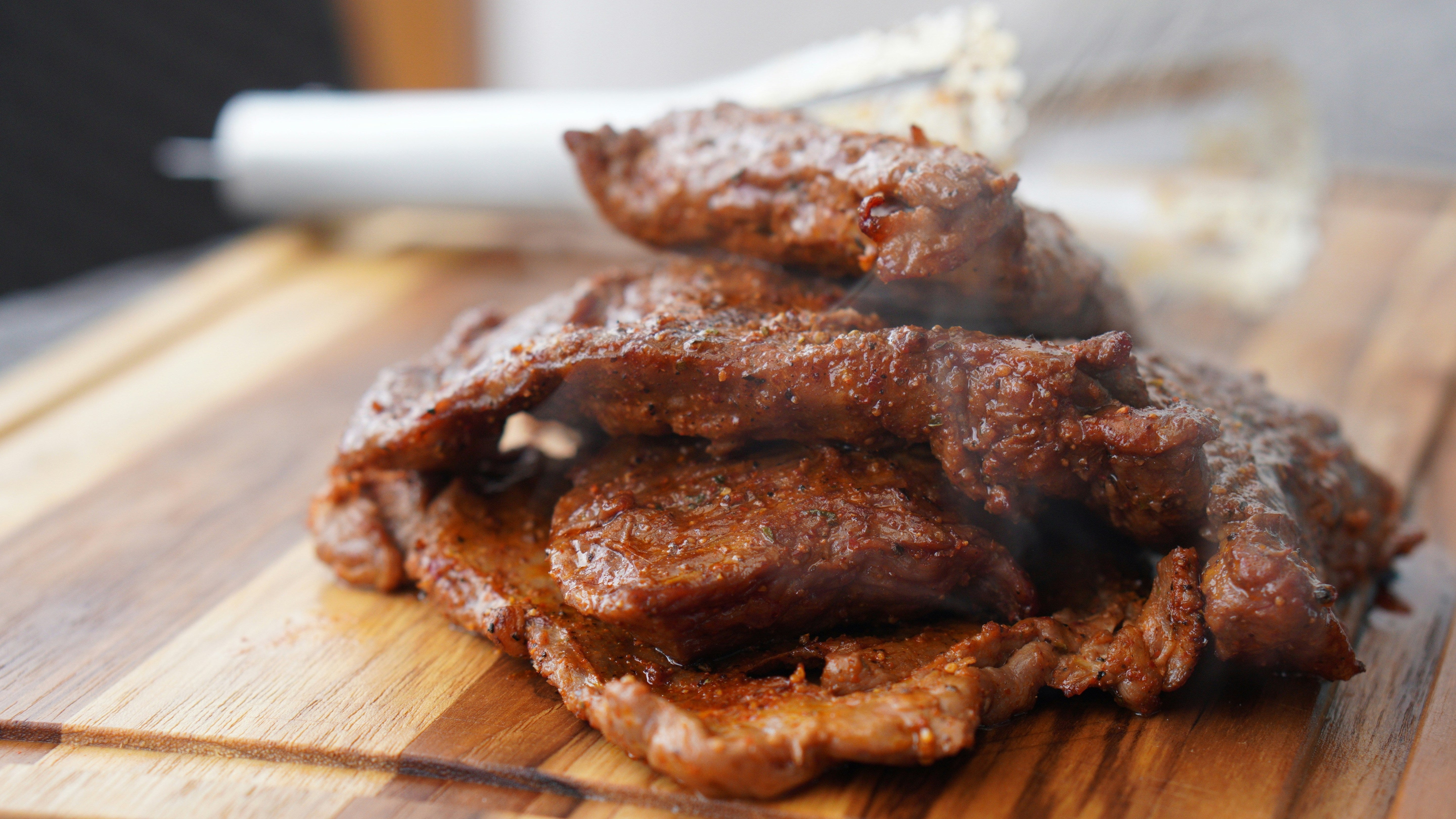
For generations, organ meats were not scraps. They were some of the most valued parts of the animal, and nutritionally, that makes sense.
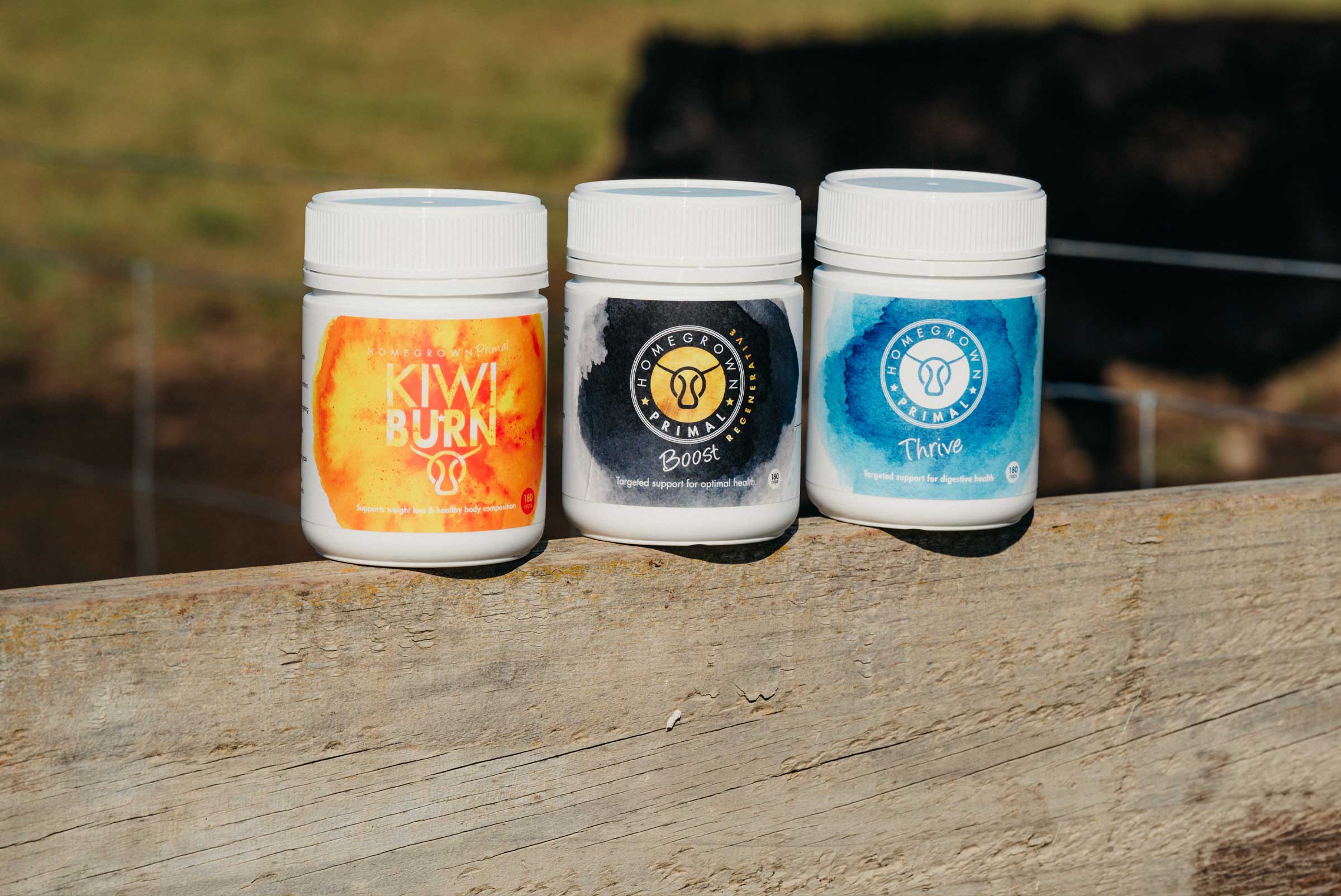
Liver, heart and kidney deliver a concentration of micronutrients that is difficult to match in the same amount of ordinary muscle meat. That does not mean everyone who avoids organ meats is deficient, nor does it mean organ meats are essential for a healthy diet. These nutrients can be found in other foods and, where appropriate, supplements.
But when organ meats disappear from the plate, we may lose one of nature’s most efficient ways of obtaining several nutrients at once.
Here are the key nutrients people may be missing out on and why they matter.
1. Preformed Vitamin A: Vision, Immunity and Tissue Health
Liver is one of the richest food sources of preformed vitamin A, also known as retinol. Unlike beta-carotene from plant foods, which the body must first convert, retinol is already in a form the body can use.
Vitamin A supports:
- Normal vision, particularly in low light
- Immune function
- Cell growth and communication
- Reproductive health
- The formation and maintenance of the heart, lungs, eyes and other organs
Some plant foods, such as leafy greens and kūmara, are sources of provitamin A carotenoids. Plant foods can also contain insecticide and glyphosate residues, and unless you grow them yourself, it can be difficult to find unsprayed vegetables.
The point is not that plant foods “do not count”, but that liver offers vitamin A in a highly concentrated, preformed form. The body’s conversion of carotenoids can also vary from person to person.
2. Vitamin B12: Red Blood Cells, Nerves and DNA
Vitamin B12 is essential for healthy red blood cell formation, DNA synthesis and the development and function of the central nervous system. A low intake or poor absorption can eventually contribute to fatigue, anaemia, numbness, tingling and other neurological changes.
B12 occurs naturally in animal-derived foods, including meat, fish, shellfish, eggs and dairy. Organ meats, especially liver, simply provide it in an extraordinary concentration. According to the US National Institutes of Health, an 85-gram serving of cooked beef liver provides 70.7 micrograms of B12, or nearly 30 times the Daily Value.
This makes liver especially nutrient-dense, although consuming more B12 does not provide extra energy when your B12 status is already adequate.
3. Choline: Brain Signalling, Cell Membranes and Fat Metabolism
Choline does not always receive the attention given to other vitamins, yet it performs vital work throughout the body.
It is needed to produce acetylcholine, a neurotransmitter involved in memory, mood, muscle control and nervous system function. Choline also contributes to the structure of cell membranes, lipid transport and metabolism, gene regulation and early brain development.
Egg yolks are one of the best-known choline sources, but liver is even more concentrated. An 85-gram serving of beef liver supplies roughly 65% of the Daily Value. For people who eat few eggs and no organ meats, choline is one nutrient worth paying attention to.
4. Iron: Oxygen Transport and Everyday Vitality
Iron is a core component of haemoglobin, the protein that carries oxygen from the lungs to the tissues. It also forms part of myoglobin, which helps supply oxygen to muscles, and supports muscle metabolism and connective tissue.
Animal foods provide haem iron, which is generally absorbed more efficiently than non-haem iron from plant foods. Liver provides a meaningful amount, about 28% of the Daily Value in an 85-gram serving of cooked beef liver, alongside B12, folate and copper, all of which are involved in healthy blood formation or iron metabolism.
That combination is part of what makes organ meat so nutritionally distinctive: it is not one isolated nutrient, but a whole matrix of cofactors working together.
5. Folate: Cell Division, DNA and Growth
Folate, or vitamin B9, is required to make DNA and other genetic material and is especially important during periods of rapid growth. Adequate folate is crucial before and during early pregnancy because it helps prevent neural tube defects.
Liver is another exceptionally dense whole-food source. An 85-gram serving of braised beef liver provides approximately 54% of the Daily Value.
6. Copper: Energy, Connective Tissue and Iron Metabolism
Copper is required in small amounts, but its work is significant. Copper-dependent enzymes contribute to:
- Energy production
- Iron metabolism
- Connective tissue formation
- Neurotransmitter production
- Immune function
- Protection from oxidative damage
Liver is extraordinarily rich in copper. In fact, an 85-gram portion of beef liver contains more than the adult daily upper intake level. That is not a reason to fear liver; it is a reason to respect its potency and eat it in modest amounts rather than treating it like a steak.
People who do not eat organ meats can obtain copper from shellfish, nuts, seeds, whole grains, mushrooms, potatoes and dark chocolate.
7. Riboflavin: Turning Food into Usable Energy
Riboflavin, or vitamin B2, helps form coenzymes that the body uses for energy production, cellular growth and the metabolism of fats, medicines and steroid hormones. It also helps the body use other nutrients, including vitamin B6 and niacin.
An 85-gram serving of cooked beef liver provides more than twice the Daily Value for riboflavin. Dairy products, eggs, meat, almonds, mushrooms and fortified foods can contribute too, but liver packages riboflavin together with the other nutrients above.
The Real Advantage: Nutrient Density, Not Nutritional Magic
The strongest case for organ meats is not that they contain nutrients found nowhere else. With the important exception of vitamin B12, which unfortified plant foods do not naturally contain, most of these nutrients are available across a well-planned diet.
The advantage is density.
A small serving of liver can deliver substantial amounts of vitamin A, B12, choline, folate, copper and riboflavin at the same time. Heart and kidney offer their own nutritional profiles while also helping us use more of the animal rather than valuing only a narrow selection of cuts.
That makes organ meats efficient, economical and deeply aligned with a nose-to-tail approach to eating.
A Little Goes A Long Way
Organ meats are not a “more is better” food. Liver is particularly high in preformed vitamin A and copper, both of which can be harmful in excess. Small, occasional portions are generally more sensible than large daily servings.
Organ meats are not a miracle food. They are something more useful: one of the most concentrated whole-food sources of essential nutrition we have.